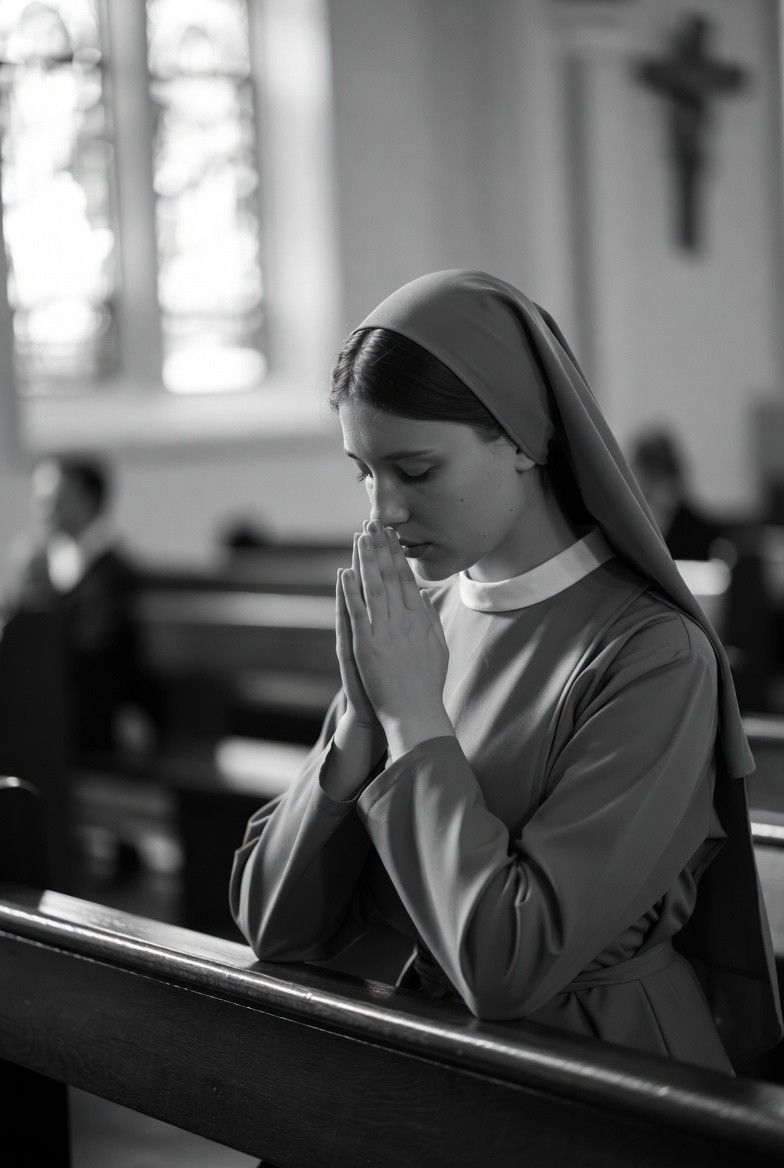
Becoming a Catholic prayer warrior involves deepening your relationship with God through consistent, intentional prayer rooted in the Church’s teachings. In the Catholic tradition, prayer is seen as a “surge of the heart; it is a simple look turned toward heaven, it is a cry of recognition and of love, embracing both trial and joy. It’s not just asking for things but a covenant relationship with the Father, through the Son, in the Holy Spirit. Humility is its foundation—we acknowledge we don’t know how to pray perfectly and rely on God’s grace. The goal is to become a warrior by interceding for others, battling spiritual challenges through faith, and growing in holiness.
This guide draws from official Church sources to help you learn proper Catholic prayer. We’ll cover definitions, expressions, forms, essential practices, and tips for building a habit.

1. Understanding Prayer in the Catholic Tradition
Prayer is raising your mind and heart to God or requesting good things from Him. It’s an encounter where God seeks us first—He thirsts for our thirst for Him. The heart is the source: it’s the hidden center of decision, truth, and covenant, where the whole person engages with God. Scripture (e.g., the Psalms) and the lives of saints model this. Prayer is possible always because Baptism unites us to Christ, fostering a habit of communion.
2. Expressions of Prayer (What We Pray For)
The Church identifies five main expressions, each a way to relate to God:
Blessing/Adoration: Praising God for who He is and His gifts. We honor His majesty and respond to His blessings on us.
Petition: Asking for what we need, including forgiveness. This is humble acknowledgment of dependence on God.
Intercession: Praying for others’ needs, like saints do for us. As a prayer warrior, this is key—think of it as spiritual combat for souls.
Thanksgiving: Gratitude for God’s gifts, even in trials. The Eucharist (meaning “thanksgiving”) is the ultimate form.
Praise: Joyful recognition of God’s goodness, often in song or exclamation.
These can overlap; for example, the Our Father includes petition, praise, and thanksgiving.
3. Forms of Prayer (How We Pray)
Christian tradition retains three major forms, each engaging us differently.
Vocal Prayer: Using words, spoken aloud, silently, or in groups. Examples include the Sign of the Cross, Our Father, Hail Mary, Glory Be, grace before meals, novenas, and litanies. It’s accessible and unites body and spirit—say them with attention to meaning, not rote repetition.
Meditation (Meditative Prayer): A “quest” to understand the Christian life and respond to God’s call. Focus on Scriptures, icons, liturgical texts, saints’ writings, or creation. Use your imagination to enter Gospel scenes. It’s about discerning: “Lord, what do you want me to do? Tools like journals help track insights.
Contemplation (Contemplative Prayer): Resting in God’s presence, letting go of thoughts and emotions. Enter silence and solitude to open fully to Him. It’s a gaze of faith, often wordless, where God acts in you. Saints like St. Teresa of Ávila describe it as intimate friendship with God.
Start with vocal prayer if new, then add meditation, aiming for moments of contemplation as grace allows.
4. Essential Prayers and Devotions
Master these foundational ones:
The Lord’s Prayer (Our Father): Taught by Jesus; covers all expressions.
Hail Mary: Honors Mary’s role; full of grace from Scripture.
Glory Be: Praises the Trinity.
Apostles’ Creed: Summarizes core beliefs.
Act of Contrition: For repentance.
Key devotions for warriors:
The Rosary: A Christ-centered prayer meditating on Gospel mysteries (Joyful, Sorrowful, Glorious, Luminous) while reciting vocal prayers. It’s a “compendium of the Gospel” and echoes Mary’s Magnificat, leading to contemplating Christ’s love. Pray it daily for spiritual armor.
Lectio Divina (Divine Reading): Ancient method for meditation. Steps:
Lectio (Reading): Read a short Bible passage (e.g., a Gospel) slowly, multiple times.
Meditatio (Meditation): Reflect on its meaning for your life; imagine the scene.
Oratio (Prayer): Respond personally—praise, ask, thank.
Contemplatio (Contemplation): Rest in God’s presence, gazing toward Christ.
Novenas and Litanies: Nine-day prayers for specific intentions, invoking saints.
Eucharistic Adoration: Silent contemplation before the Blessed Sacrament—powerful for warriors.
Liturgy of the Hours: Daily prayers of the Church, like Morning and Evening Prayer.
Incorporate saints’ intercession (e.g., St. Michael for protection) and sacramentals like holy water or medals.
5. Building Your Prayer Life
Daily Routine: Start small—10-15 minutes morning and evening. Include vocal prayers, Scripture reading, and silence. Aim for consistency over perfection.
Tips for Beginners: Pray in a quiet space; use apps like Hallow for guided sessions. Overcome distractions by gently refocusing. Remember, prayer is a battle—persevere with humility. Benefits include closeness to God, clarity on His plan, and strength for daily life.
Overcoming Challenges: If dry, persist; God works in hidden ways. Join a prayer group for accountability.
Resources: Read the Catechism (Part Four on Prayer), “Introduction to the Devout Life” by St. Francis de Sales, or “The Interior Castle” by St. Teresa. Websites like USCCB or Dynamic Catholic offer free guides.
As a warrior, focus on intercession: pray for the Church, world events, and personal battles.